

By Emily Rodriguez
Across the world, environmental alarms are going off. Scientists warn that a strong El Niño is forming—one that stands to amplify an already escalating climate crisis, deepening heatwaves, droughts, and food insecurity. While Earth has long been warming, the intensifying instability now threatens human health, lives, and global security.
What Is El Niño and Why It Matters
El Niño refers to periodic warming of sea surface temperatures in the tropical Pacific, which ripples outward to disrupt weather patterns globally. This natural phenomenon, when combined with rising baseline temperatures from human-caused greenhouse gas emissions, can lead to unusually severe climate events.
Already, the warming atmosphere and ocean are pushing climate indicators to extreme new highs. Ocean warming, rapid ice melt, and atmospheric carbon concentrations are creating an energy imbalance in the Earth system—one that scientists say we will contend with for centuries. These changes increase the risks of extreme events: wildfires, floods, and cascading threats to food and water supplies.
Global Impacts We’re Seeing
Regions particularly exposed to drought are already seeing harvest losses—and with El Niño likely to disrupt rains even more, food insecurity could grow in parts of Africa, Latin America, and Asia. Globally, nearly 50 million more people could face acute hunger in the coming year if worst-case impacts emerge. Meanwhile, heatwaves are hitting with greater intensity, and meteorological organizations say they are becoming the new “normal”.
Coastal and island nations are among the most vulnerable. As sea levels rise and storms intensify, communities with limited infrastructure face greater danger and mounting costs. Nations in the Pacific, for example, are not only advocating for emissions cuts but also seeking finance to fund local adaptation projects and renewable energy efforts to protect their futures.
Turning Alarm Into Action
The urgency to act—both locally and globally—couldn’t be clearer. Experts emphasize scaling up renewable energy, phasing out fossil fuels, strengthening adaptation and resilience, and deploying early warning systems. Equally important is climate justice: ensuring that those who contribute least to global warming are not left to bear the worst burdens.
Governments are being pushed to deliver on their pledges—on emissions reduction, finance for climate adaptation, and policies that protect vulnerable populations. Citizens and local communities, from Oxnard to the Pacific Islands, have roles to play through choice, advocacy, and demanding accountability.
Why It Matters for Us
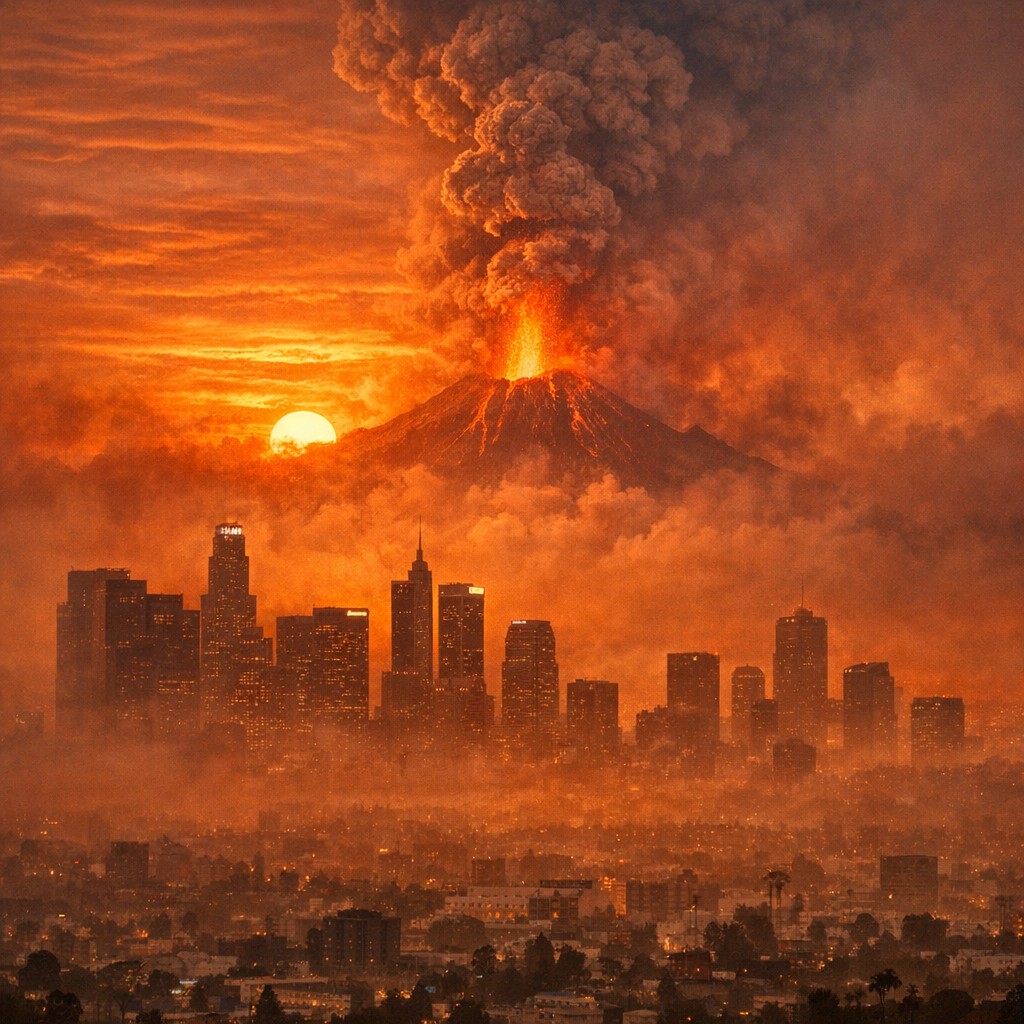
Even here in California, impacts are being felt: worsening wildfires, extended heatwaves, and disrupted water supplies are reminders that global climate shifts reach close to home. What happens in far-off corners of the globe reverberates here—through food prices, weather extremes, and shared atmosphere.
El Niño may be a natural cycle, but its power to worsen climate breakdown comes only because of human decisions. The window to act responsibly is still open—what we choose now will shape what our world looks like decades from today.